Multimodal Data Collection Services for AI Modal Training
Collect high-quality text, audio, image, video, speech, sensor, and real-world interaction data for training, fine-tuning, and evaluating advanced AI models.
Trusted by leading AI teams to design, collect, enrich, and deliver model-ready datasets across controlled, remote, lab, and in-the-wild environments.
Multimodal Data Collection Services Across Every Modality
Innodata provides end-to-end AI data collection services for text, speech, audio, image, video, and sensor data — customized to your model’s exact requirements.
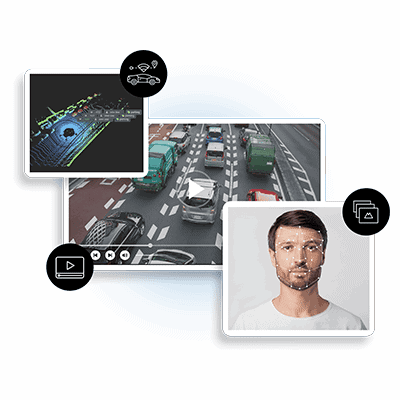
Egocentric, UMI, Sensor, and Haptic Glove Data
Real world interaction data, first-person video, AR/VR and wearable capture, body-worn sensors, human-object interaction, household/workplace workflows, and environment metadata.
Sample Datasets
Egocentric Video
Depth + RGB Capture
Spatial Navigation
IMU Sensor
Hand-Object Interaction
Wearable Audio-Video
UMI Data
Task Completion Sequences
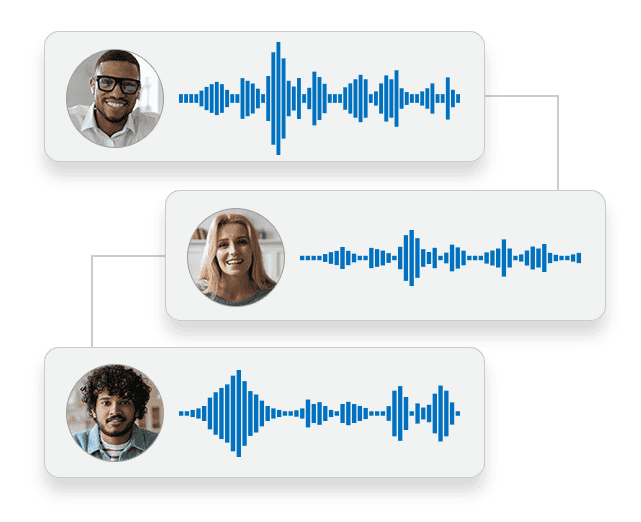
Speech and Audio Data
Studio, remote, and hybrid speech collection for ASR, TTS, voice cloning, speech-to-speech, conversational AI, and emotion modeling.
Sample Datasets
Customer Service Calls
Voice Messages
Wake Words
Ambient Soundscapes
Podcast Transcripts
Speaker Verification
Telehealth Recordings
Lecture Recordings
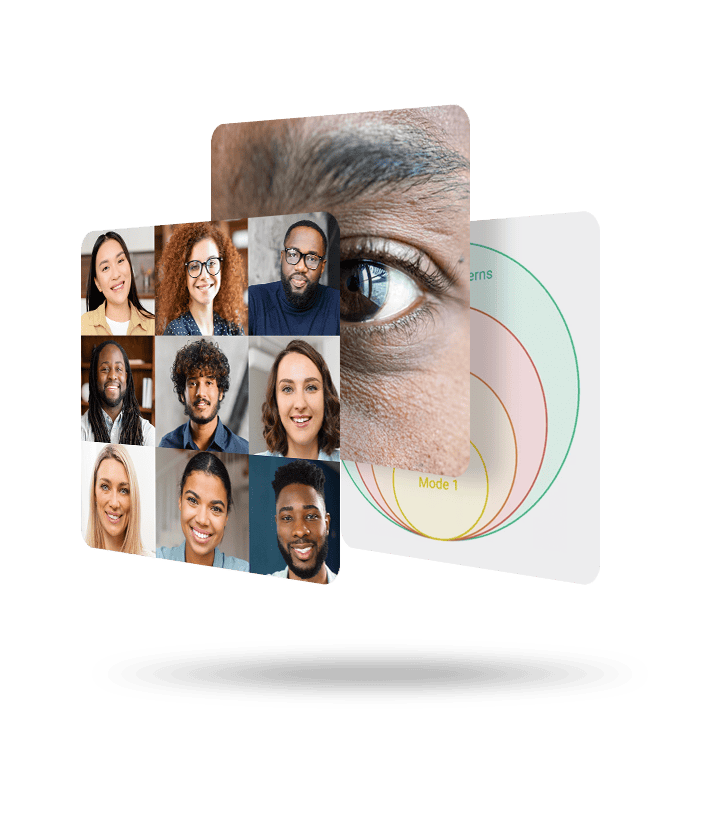
Image, Video, and Multimodal Data
Image and video capture, visual reasoning data, multimodal Q&A, speaker and scene descriptions, object/action labels, and video transcription.
* All sensitive data types — including biometric, facial, and healthcare-adjacent data — are collected through consent-managed, privacy-compliant workflows with GDPR, HIPAA, and client-specific data governance requirements.
From Collection Design to Model-Ready Delivery
Every program is scoped around your model requirements, collection environment, contributor needs, quality thresholds, and delivery format.
Utilize SMEs, voice talent, operators, trained data specialists, or domain experts based on language, geography, demographics, expertise, and task requirements.
03
Execute the collection program
Manage studio, remote, lab, onsite, hybrid, and in-the-wild workflows with moderation, support, and protocol adherence.
Provide structured, secure, ingestion-ready data aligned to your model pipeline.
* All sensitive data types — including biometric, facial, and healthcare-adjacent data — are collected through consent-managed, privacy-compliant workflows with GDPR, HIPAA, and client-specific data governance requirements.
Why Innodata for Complex AI Data Collection Programs?
In-House SMEs and Trained Data Specialists
0K+
Vetted, accountable experts across healthcare, finance, legal, scientific, technical, and enterprise domains.
Professional Studios Globally
0+
Owned and partner capture environments across North America, South America, the Middle East, Europe, and Asia.
Acoustically Treated Booths
0+
Broadcast-quality isolation for speech, voice, audio, and multimodal recording.
Professional Voice Talent
0K+
Curated global talent pool for multilingual, multi-accent, and expressive voice datasets.
Languages and Dialects
0+
Language coverage for global AI model training, evaluation, and deployment.
Hours of Studio-Quality Multilingual Audio
0K+
Proven delivery scale for synthetic voice AI, TTS, ASR, and conversational AI programs.
Data Collection Programs for Advanced AI Teams
Specialized collection programs designed for the architectures and data requirements shaping the next generation of AI.
Egocentric video, UMI and sensor data, teacher-follower demonstrations, teleoperation data, human-object interaction, task workflows, and environment metadata for vision-language -action (VLA) models, world, models, and wearable AI.
Domain-Specific AI
Expert-generated and expert-reviewed datasets for regulated, technical, scientific, financial, legal, healthcare, and enterprise use cases.
Need Data Faster? Explore Off-the-Shelf Datasets
Skip the collection timeline. Innodata offers pre-built, fully consented datasets available for immediate licensing, collected to the same quality standards as our custom programs.
Every OTS dataset ships with full provenance documentation, consent records, and metadata schemas. Custom extensions available when off-the-shelf coverage isn’t enough.
First-person capture across Household, Blue Collar, and Hobbyist & Craft task domains, with synchronized IMU sensor data, task annotations, and environment metadata.
Multilingual Speech and Audio
Studio-quality recordings across 120+ languages and dialects for ASR, TTS, and voice AI training.
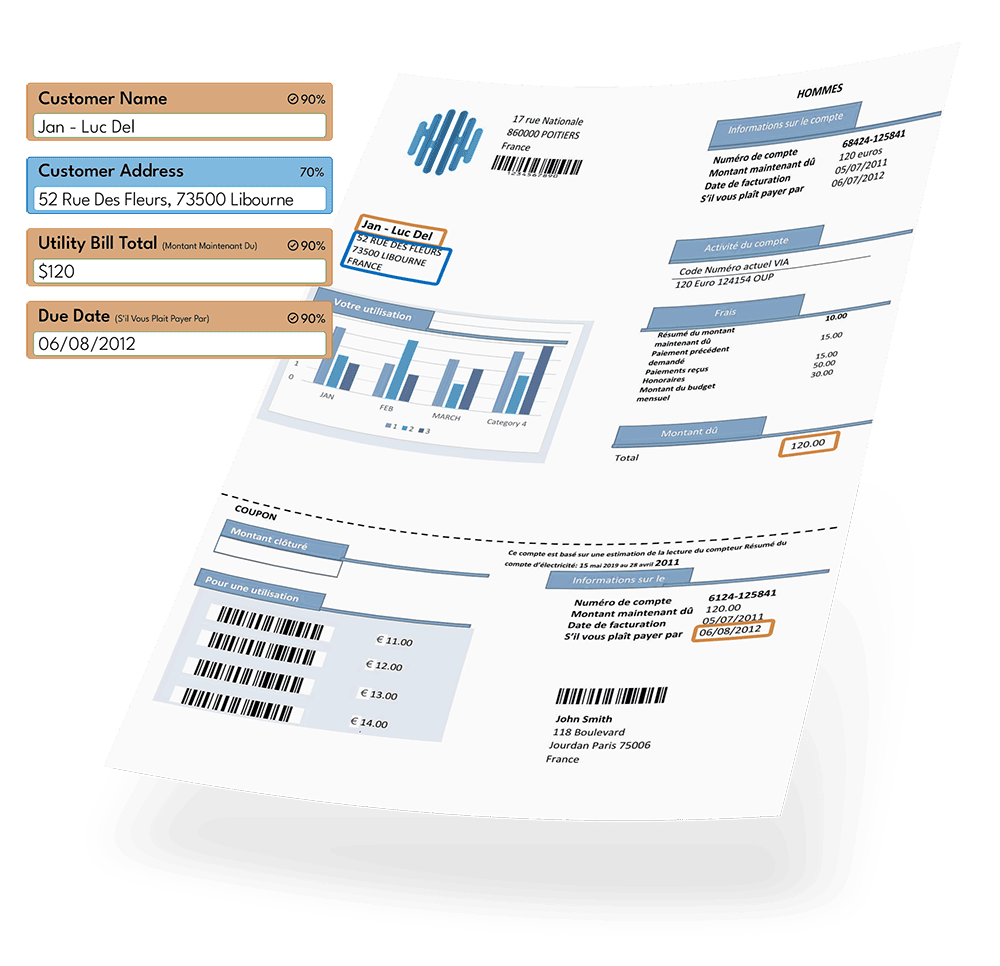
Text and Document Collections
Structured documents, expert Q&A, and domain-specific corpora.
Need Custom Multimodal Data for Model Training?
Tell us what you are building, what data your model needs, and where your current datasets are falling short. Innodata can help scope a pilot, design the collection workflow, and scale the program into production.
Frequently Asked Questions About Multimodal Data Collection
What is multimodal data collection for AI?
Multimodal data collection is the process of gathering training data across multiple input types — or modalities — including text, audio, image, video, speech, sensor readings, and real-world interaction data. AI models such as multimodal foundation models, vision-language models, and voice-enabled assistants require carefully curated datasets that combine these modalities in structured, labeled formats. Innodata designs and manages end-to-end multimodal collection programs tailored to each model’s architecture and task requirements.
What types of multimodal data can Innodata collect?
Innodata collects data across four core modality groups:
Text, document, and code data including prompt-response pairs, expert Q&A, reasoning chains, and structured documents;
Speech and audio data including studio recordings for ASR, TTS, voice cloning, and conversational AI;
Image, video, and multimodal data including visual reasoning datasets, scene descriptions, and object/action labels; and
Egocentric, sensor, and real-world interaction data including first-person video, wearable capture, IMU sensor data, and human-object interaction sequences.
How does Innodata ensure quality in multimodal datasets?
Every collection program follows a five-stage quality pipeline: dataset design with defined taxonomy and quality thresholds; contributor sourcing and vetting; managed collection workflows with protocol adherence and moderation; data enrichment including transcription, labeling, metadata tagging, and QA scoring; and final validation to ensure the delivered dataset is ingestion-ready. Programs run through professional studios, remote capture platforms, and in-the-wild field operations depending on the use case.
What is egocentric data collection, and why is it important for AI?
Egocentric data collection captures first-person perspective data — typically via body-worn cameras, AR/VR headsets, or wearable sensors — to train AI models that understand the world from a human point of view. This data type is critical for robotics (vision-language-action models), wearable AI devices, spatial computing, and autonomous systems that must interpret human-object interactions, navigation tasks, and real-world environments. Innodata has recruited and moderated 1,000+ participants for egocentric collection programs globally.
Can Innodata collect data for specialized domains or regulated industries?
Yes. Innodata builds domain-specific collection programs for healthcare, financial services, legal, scientific research, enterprise software, and other regulated industries. Programs incorporate expert contributors, subject-matter review, privacy-compliant workflows, and data handling protocols aligned with HIPAA, GDPR, and enterprise security requirements.
How long does a multimodal data collection project typically take?
Project timelines vary based on modality complexity, contributor requirements, geographic scope, and volume. A focused pilot program — such as a speech collection in 5 languages or an egocentric video pilot with 50 participants — can be scoped and launched within weeks. Large-scale production programs spanning 100+ locales or thousands of participants are phased to align with model training roadmaps. Innodata provides dedicated program management and milestone-based delivery schedules for every engagement.
What deliverables does Innodata provide at the end of a collection program?
Deliverables are structured to be ingestion-ready for the client’s model pipeline. Standard outputs include raw and processed data files, transcripts and annotations, timestamped metadata, QA and validation reports, contributor demographics, preference and evaluation data, and secure transfer via client-approved protocols. All formats and schemas are agreed during the design phase to ensure seamless integration.
Does Innodata offer synthetic data generation in addition to real-world collection?
Yes. Where real-world data is scarce, restricted, or insufficient to cover edge cases, Innodata provides synthetic data generation services that produce statistically accurate, privacy-safe training data across text, image, audio, and video modalities. Synthetic data can augment real-world datasets, accelerate model development timelines, and fill coverage gaps without compromising quality.
What is physical AI training data?
Physical AI training data is real-world interaction data used to train models that perceive and act in physical environments — including robots, wearables, and embodied agents. It typically combines egocentric video, IMU and depth sensor streams, teacher-follower demonstrations, teleoperation logs, and human-object interaction sequences, aligned and annotated for vision-language-action (VLA) and world model training. Innodata collects physical AI data through lab, in-facility, in-home, and in-the-wild programs with synchronized multi-sensor capture.
Should I license an off-the-shelf dataset or commission custom data collection?
Off-the-shelf datasets are the faster, lower-cost option when your model needs broad coverage of common tasks, languages, or environments — they can be licensed and delivered in days. Custom collection is the right choice when your model requires specific devices, demographics, task taxonomies, edge cases, or proprietary formats that existing datasets don’t cover. Many Innodata clients combine both: an OTS dataset to start training immediately, with a custom program scoped in parallel to fill the gaps.
Success Stories
Question + Answering for Global Tech Company
Challenge
A leading global tech company sought Innodata to enhance their question answering system. This project involved generating accurate and contextually appropriate responses to a wide range of prompts, from straightforward factual questions to complex creative tasks.
Diverse Prompt Types: The system needed to handle various prompt types, including factual questions and creative writing tasks.
Sensitive Content: Ensuring responses appropriately handled sensitive topics was critical to maintain user trust and safety.
Contextual Understanding: Integrating contextual information from chat histories to provide relevant and coherent responses posed a significant challenge.
AI Capabilities: Clearly defining the capabilities and limitations of the AI to prevent it from generating responses beyond its scope.
Solution
The project adopted a structured approach to address these challenges, focusing on robust training, rigorous evaluation, and continuous improvement.
Team Preparation: Assembled a team with strong writing skills and experience in generating concise, mobile-friendly content.
Guidelines and Evaluation:Developed comprehensive guidelines to ensure responses were accurate, unbiased, and sensitive to user context. Implemented a detailed evaluation process to continuously assess and improve the quality of responses.
Training and Feedback: Conducted extensive training sessions to familiarize the team with the task requirements and the AI’s capabilities. Provided regular feedback to refine the team’s approach and ensure adherence to guidelines.
Contextual Integration: Implemented strategies to effectively utilize chat history and other contextual information to enhance response relevance.
Impact
Improved Response Quality: The project significantly enhanced the accuracy and contextual relevance of the AI’s responses.
Increased Efficiency: Streamlined processes and clear guidelines led to quicker and more efficient response generation.
Enhanced User Trust: By effectively handling sensitive content and providing contextually appropriate responses, user trust and satisfaction increased.
Scalability: The refined methodologies and processes proved scalable, enabling the client to handle increasing volumes of user queries effectively.
Success Stories
Intelligent Regulatory Insights with Machine Learning and OpenAI
Challenge
A large US bank, with a global presence, faced the challenge of staying informed about a constantly evolving landscape of financial regulations. Manually reviewing thousands of regulatory documents published weekly across various sources was a time-consuming and error-prone process. The bank needed a solution to:
Reduce Time Spent on Updates: Legal professionals needed a more efficient way to stay current with regulatory changes.
Improve Information Relevance: Sifting through irrelevant information wasted valuable time and resources.
Ensure Timely Awareness: The bank needed to be promptly informed of any regulatory changes impacting their operations.
Support Informed Decision-Making: Easy access to clear and actionable insights was crucial for informed decision-making.
Solution
Innodata developed an Intelligent Insights program utilizing OpenAI and machine learning to address these challenges. The program leveraged the following:
Comprehensive Regulatory Content Repository: Innodata built a vast repository of regulatory documents obtained through automated scraping techniques. This repository ensured access to the latest and most relevant information.
Machine Learning for Categorization: Advanced machine learning algorithms were used to categorize the scraped documents based on pre-defined metadata (e.g., jurisdiction, document type). This facilitated efficient information retrieval.
OpenAI for Intelligent Summaries: OpenAI’s capabilities were harnessed to generate daily or weekly summaries of the categorized regulatory documents. Users could customize their subscriptions based on specific needs (regions, document types) to receive the most relevant information.
Natural Language Processing (NLP): Leveraging NLP, the system could interpret complex legal language, providing clear and concise summaries in a user-friendly format.
Real-Time Updates: The system continuously monitored regulatory sources for updates, ensuring users were always informed about the latest changes.
Source Access: Users could easily access the original PDF source document for any summarized point, facilitating deeper dives when needed.
Impact
The Intelligent Insights pilot program delivered significant improvements:
Increased Efficiency: Legal professionals could stay updated on regulatory changes with minimal time investment, freeing up valuable resources for analysis.
Enhanced Relevance: Customizable subscriptions ensured users received only the information relevant to their specific needs, eliminating information overload.
Improved Timeliness: Real-time updates kept users informed about the latest changes as they occurred, minimizing the risk of non-compliance.
Empowered Decision-Making: Clear and actionable insights from the summaries facilitated informed decision-making within the organization.
Success Stories
Generative AI Solutions for a Leading Information Publisher
Challenge
A major information publisher sought to deploy Generative AI within their legal and regulatory operational processes. The goal was to achieve scalability across 13 European countries and multiple languages while maximizing efficiency.
Solution
Innodata collaborated with the client to offer specialized consulting and implementation services. The process began with a vision workshop designed to educate stakeholders and identify potential opportunities for AI integration. Two areas were selected for initial 3-month Proofs of Concept (POCs):
Abstract Creation from German Court Cases: Using Generative AI to automate the generation of case summaries.
Keyword Extraction and Taxonomy Matching for Dutch Labor Law Books: Employing AI to identify relevant keywords and match them to an established taxonomy.
Innodata engaged closely with key stakeholders to establish review and evaluation criteria for each POC. The implementations utilized advanced AI techniques including:
Generative Pre-trained Transformers (GPT): Leveraged for natural language understanding and generation.
Chain of Density: Applied to ensure coherence and relevance in generated content.
Prompt Engineering: Used to optimize AI responses.
Fine-Tuning: Customized the model on specific legal data to enhance performance.
Vector Database with Similarity Matching: Employed to ensure accurate keyword extraction and taxonomy alignment.
Impact
Innodata demonstrated that Generative AI could enhance processes traditionally reliant on human expertise in language and legal fields. The results underwent a rigorous double-blind review process and were benchmarked against industry standards.
German Abstracts: Of the abstracts generated by GPT, 44% were rated favorably and deemed publishable without modification. In comparison, manually generated abstracts had a 58% approval rate, supporting the efficacy and subjective consistency of the GPT-generated content.
Dutch Keywords: The GPT system achieved a 25% exact match rate with manually tagged keywords. For reference, a comparison between two human taggers resulted in a 22% exact match, indicating that the GPT solution performs comparably to the existing manual process.
Both POCs will be further developed for production and scaled across countries based on business needs and priorities. Innodata has also proposed and will facilitate change management strategies to support the program's expansion. Additionally, new opportunities have been identified and transitioned into the POC phase for expedited evaluation.
Success Stories
Image Caption Generation
Challenge
The challenge presented in the Image Caption Generation project lay in crafting detailed and accurate captions for advertisement images, aligning with accessibility standards. Raters were tasked with describing images with precision, catering to visually impaired audiences, while strictly adhering to client guidelines. The task demanded a high level of detail within a limited word count, posing a significant execution challenge.
Solution
To address the challenge, our approach involved thorough training and meticulous preparation. We provided comprehensive learning modules and resources to familiarize the team with the task requirements and client guidelines. A dedicated Q&A system ensured clarity, with trainers promptly addressing any queries or ambiguities. Additionally, we maintained a centralized Source of Truth document for up-to-date guidelines and instructions, streamlining the annotation process.
Impact
Through our tailored training strategy and meticulous approach, we optimized the annotation process, ensuring the generation of high-quality image captions. This not only improved accessibility for visually impaired audiences but also enhanced the overall quality and relevance of advertisement content. By sourcing candidates with relevant experience and conducting rigorous certification assessments, we built a skilled team capable of consistently delivering accurate and descriptive image captions. The project’s success established a scalable framework for future endeavors, further advancing accessibility standards and enhancing the client’s advertisement capabilities.
Success Stories
Streamlining Regulatory Content Management with Automation and Retrieval-Augmented Generation (RAG)
Challenge
A large US bank, operating across 100+ countries, faced a monumental task in managing a constantly evolving landscape of financial regulations. With thousands of legal documents published weekly across various sources (websites, PDFs, etc.), their legal department struggled with:
Data Volume: Processing thousands of pages of regulations per week manually was time-consuming and inefficient.
Categorization & Retrieval: Manually searching for updates on hundreds of websites was cumbersome and prone to errors.
Time Constraints: Reviewing each source and downloading documents took valuable time away from analysis.
Integration: Manually integrating data into their internal system was a slow and error-prone process.
Scalability: Manual processes couldn’t keep pace with the ever-increasing volume of regulations.
Data Diversity: Regulatory information resided in various formats (PDF, Excel, Word, HTML) across diverse sources.
Solution
Innodata addressed these challenges with a comprehensive approach, leveraging automation and cutting-edge technology:
Automated Workflow Tool: We developed a tool to automate the scraping of regulatory documents from various sources. This ensured a comprehensive and up-to-date dataset for analysis.
Machine Learning for Metadata Enhancement: Machine learning algorithms analyzed the scraped content, automatically assigning relevant metadata like publication date, jurisdiction, and document citations. This improved data organization and searchability.
Following a streamlined data collection process, Innodata built upon the document repository with the core solution:
Retrieval-Augmented Generation (RAG) Tool: This custom-built tool, designed specifically for financial regulations, uses Azure AI and Cohere’s Coral to answer user queries. It combines retrieval and generation techniques for efficient and insightful responses
Azure AI Search: This powerful search engine facilitates efficient document retrieval based on user-entered queries.
Natural Language Processing (NLP): Advanced NLP allows the RAG tool to understand complex legal queries and provide accurate responses derived from retrieved documents.
User-Friendly Interface: Users can easily input queries, view retrieved documents, and understand generated summaries and interpretations presented in a clear and concise format.
Impact
The implemented solutions yielded significant benefits:
Enhanced Efficiency: Manual processes were replaced with automation, significantly reducing the time required to find and interpret regulatory documents.
Improved Accuracy: Combining Azure AI Search with GenAI ensured highly accurate and relevant responses to user queries.
Real-Time Updates: The system continuously monitors and indexes new regulations, keeping users informed about the latest changes.
Scalability: The RAG tool scales effortlessly with increasing data volumes, ensuring a sustainable solution for growing compliance needs.
Cost Savings: Automation reduced reliance on manual labor and specialized compliance experts, leading to significant cost savings.
Success Stories
Text Generation in the Advertising Space
Challenge
A leading FAANG client approached Innodata with the task of enhancing their AI-generated advertising copy. The primary objective was to assess and refine the quality of AI-generated text in comparison to original ads, focusing on content creativity, syntactical and lexical diversity, and the presence of hallucinations. This project aimed to ensure that the AI-generated copy met high standards of creativity and accuracy, vital for maintaining the brand’s reputation and effectiveness in the advertising space.
The specific challenge stemmed from the limitations of the standard LLM, which relied solely on pre-existing patterns learned during training. This hindered its ability to perform actions requiring specific external information retrieval, hindering its functionality.
Solution
Innodata implemented a comprehensive strategy to tackle the challenge. First, we assembled a specialized team with a background in advertising and creative writing, ensuring they had a keen understanding of marketing language and best practices. The team underwent rigorous training, including:
Learning Modules and Practice Exercises: Pre-recorded lessons and exercises to hone creative writing skills and familiarize them with client guidelines.
Q&A Sessions: Regular meetings to address queries and refine understanding, with an emphasis on resolving ambiguities and ensuring adherence to guidelines.
Reverse Engineering: Analyzing client-provided answers to practice tasks to identify patterns and nuances, enabling the team to align closely with client expectations.
Exercise Sets: Creating ad copy, identifying hallucinations, and editing subpar outputs to meet diversity and creativity standards.
Impact
By leveraging Innodata's expertise, the FAANG client achieved:
Enhanced AI Output: Improved quality of AI-generated ads, with a clear distinction between creative and non-creative elements, and diverse yet coherent text.
Brand Integrity: Minimized hallucinations that could harm the brand’s reputation, ensuring that all generated content was accurate and trustworthy.
Operational Efficiency: Established a scalable framework for evaluating and refining AI-generated content, streamlining the process and setting a high standard for future projects.
Client Alignment: Our insights and methodologies often influenced the client’s approach, leading to refinements in their guidelines and enhancing overall project outcomes.
Success Stories
Base Annotations Comparison
Challenge
Innodata partnered with a leading global technology company to improve their AI models, comparing responses from different AI models to determine which performed better based on three quality attributes: helpfulness, honesty, and harmlessness.
Diverse Prompt Types: The system needed to assess various types of responses, from factual answers to creative writing.
Quality Assessment: Responses were evaluated based on their helpfulness, honesty, and harmlessness, requiring nuanced judgment.
AI Capabilities: Understanding and clearly defining the AI’s capabilities and limitations was essential to accurate assessment.
Solution
The project focused on training and evaluation strategies to ensure accurate and consistent response comparisons.
Training and Evaluation:
Conducted thorough training to familiarize the team with task requirements and the AI’s capabilities.
Used learning modules, Q&A sessions, and practical exercises to prepare the team.
Quality Attributes:
Helpfulness: Assessed if the response addressed the prompt coherently, concisely, and relevantly.
Honesty: Evaluated factual accuracy, neutrality, and transparency.
Harmlessness: Ensured responses were safe, non-offensive, and devoid of unqualified advice.
Response Ranking:
Agents ranked responses based on their adherence to the quality attributes, from best to worst.
Impact
Innodata significantly improved the AI models of the leading technology company by implementing a structured evaluation process focused on helpfulness, honesty, and harmlessness. Through targeted training and practical exercises, the team efficiently assessed and enhanced the AI's responses. This collaboration not only increased the accuracy and relevance of the outputs but also streamlined the evaluation process, boosting operational efficiency. Innodata's methodologies supported scalable improvements, contributing substantially to the advancement of the company's AI capabilities.
Success Stories
Enhancing Summarization Accuracy for Compliance
Challenge
A leading multinational tech company was in the final stages of developing a cutting-edge language model specifically designed for eDiscovery and communication compliance projects.
A key feature of this model was its summarization skill, crucial for efficiently handling large volumes of documents. However, the tech company faced a significant obstacle: they lacked the necessary documents to rigorously test and validate the summarization capabilities of their model. Without proper testing, the copilot could deliver inaccurate summaries and hinder eDiscovery workflows.
Solution
Innodata’s team of experts created a comprehensive set of 500+ documents tailored for testing the language model’s summarization skills. These documents were carefully curated to reflect the diverse and real-life scenario typically encountered in eDiscovery projects. By providing a robust and varied dataset, we ensured that the model’s summarization feature could be thoroughly tested under realistic conditions.
In addition to creating the documents, our team rigorously tested the model using this dataset by developing and implementing a series of prompts designed to push the model’s summarization capabilities to their limits. By simulating various real-world scenarios and document complexities, they were able to thoroughly evaluate and enhance the language model’s performance. These prompts helped categorize the bugs and errors encountered during testing of the created documents into categories such as false positives, false negatives, and graceful responses. This approach resulted in a highly robust model capable of handling complex datasets.
Impact
Bug-Free Deployment: Innodata’s testing helped identify and fix bugs, ensuring the model’s accuracy and reliability.
Enhanced Summarization Accuracy: Testing led to significant improvements in the copilot’s ability to summarize documents accurately.
Increased Customer Confidence: With a thoroughly tested copilot, the tech company was confident in its product’s value for eDiscovery professionals.
Success Stories
Search Summarization
Challenge
A leading tech company approached Innodata with a task requiring the creation of high-quality, user-centric summaries based on search queries and retrieved web documents. The challenge involved:
Aligning with User Intent: Summaries needed to be concise (75-100 words) and directly address the user’s last message within the ongoing conversation.
Accuracy and Originality: Information gleaned from reference documents needed to be presented accurately, with proper citations but avoiding plagiarism.
Adhering to “3 H’s”: Summaries had to be Helpful, High-quality, and Human-rated, ensuring a clear and informative user experience.
Solution
Innodata implemented a comprehensive training program to equip annotators with the necessary skills:
Learning Resources: Pre-recorded lessons and detailed documentation provided clear guidelines and examples.
Practice Exercises: Interactive Google Forms exercises allowed for practical application of knowledge.
Real-world Experience: Early access to the client’s practice queue ensured familiarity with the actual work interface.
Dedicated Support: Q&A Excel sheets addressed questions and facilitated clarification from the client.
Centralized Knowledge Base: An internal “Source of Truth” document housed the latest guidelines and resources.
Example Sets: Client-provided gold-standard answers served as reference points for annotators.
Skilled Workforce: Recruitment focused on individuals with experience in concise writing (e.g., newsletter writers) and basic fact-checking.
Impact
Innodata’s training program ensured the success of this project. The combination of pre-recorded lessons, practical exercises, and real-world application through the practice queue equipped annotators with a strong foundation in the client’s guidelines and best practices. Dedicated support through Q&A channels and a centralized knowledge base addressed any questions or uncertainties, while client-provided gold-standard answers offered valuable benchmarks. Finally, the recruitment strategy focused on individuals with experience in concise writing and fact-checking, perfectly aligning with the project’s demand for accurate and informative summaries.
Ultimately, Innodata’s comprehensive approach not only prepared a skilled workforce for the leading tech company but also helped the client achieve its goal of training an AI model to effectively generate user-centric search summaries.
Success Stories
Chatbot Instruction Dataset for RAG Implementation
Challenge
A leading technology company approached Innodata with a unique challenge. They needed a specialized dataset to train their large language model (LLM) to perform complex “multi-action chaining” tasks. This involved improving the LLM’s ability to not only understand and respond to user queries but also access and retrieve relevant information beyond its initial training data.
The specific challenge stemmed from the limitations of the standard LLM, which relied solely on pre-existing patterns learned during training. This hindered its ability to perform actions requiring specific external information retrieval, hindering its functionality.
Solution
Innodata implemented a creative approach to address the client's challenge:
Chain-of-Thought Prompt Development: Innodata’s team of experts employed a technique called “Chain of Thought in Context Learning” to design prompts that encouraged the LLM to explicitly showcase its internal thought process while responding to user queries. This provided valuable insights into the LLM’s reasoning and information retrieval steps.
Prompt Completion with RAG Integration: The team leveraged “Prompt Creation Completion” techniques, where authors set up prompts, craft related queries, and complete the prompts using the Retrieval-Augmented Generation (RAG) tool. This tool retrieved relevant information necessary for the LLM to complete the task at hand.
Author Expertise: Our team of skilled authors, equipped with an understanding of API and RAG dependencies, crafted the dataset elements:
Internal thought processes of the chatbot, revealing its reasoning and information retrieval steps.
System-level instructions guiding the chatbot’s actions.
Training on complex use cases involving multi-step tasks and subtasks.
Impact
The resulting dataset, enriched with the "chain-of-thought" approach, offered the client significant benefits:
Enhanced LLM Functionality: The dataset equipped the LLM with the ability to perform complex, multi-action tasks, significantly improving its practical applications.
Improved Information Retrieval: By incorporating the RAG tool, the LLM gained the ability to access and retrieve crucial information from external sources, overcoming its prior limitations.
Deeper Model Understanding: The “chain-of-thought” element provided valuable insights into the LLM’s reasoning process, enabling further optimization and development.
Success Stories
Creating Health and Medical Dialogues Across 8+ Specialties
Challenge
A leading medical publisher approached Innodata with a critical need. They required a comprehensive dataset of medical dialogues, spanning over 8 different specialties, to support advancements in medical knowledge retrieval and automation. This dataset would serve as the foundation for semantic enrichment – a process that enhances the understanding of medical information by computers.
The key requirements were:
Multi-Specialty Focus: Dialogues needed to cover a wide range of medical sub-specialties, exceeding 20 in total.
Real-World Tone: The dialogues should mimic genuine conversations within medical settings, while referencing the client’s specific “clinical key” as a knowledge base.
Pre-Determined Topics: The client provided a list of medical and health areas to ensure the dialogues addressed relevant issues.
Exceptional Accuracy: Achieving 99% accuracy in the medical content of the conversations was paramount.
Solution
Innodata implemented a multi-step workflow to deliver a high-quality medical dialogue dataset:
Expert Actor Recruitment:Innodata assembled a team of actors with real-world medical experience, including nurses, medical doctors, and students. This ensured the dialogues reflected the appropriate level of expertise and communication style for each scenario.
Content Development: Our medical writers crafted the dialogues based on the client’s provided topics and “clinical key” resources. Each conversation maintained a natural flow while adhering to strict medical accuracy.
Multi-Layer Review:The dialogues underwent a rigorous review process by medical professionals to guarantee factual correctness and adherence to the 99% accuracy benchmark.
Impact
By leveraging Innodata's expertise in medical content creation and actor recruitment, the client received a unique and valuable dataset:
Extensive Medical Coverage: The dataset encompassed dialogues across a broad spectrum of medical specialties, providing a robust foundation for various applications..
Realistic Interactions: The diverse cast of actors and natural dialogue style ensured the dataset accurately reflected real-world medical communication.
Highly Accurate Content: The 99% accuracy level guaranteed the dataset’s suitability for training AI models and enriching medical knowledge retrieval systems.
By clicking “Accept,” you agree to the storing of cookies on your device to enhance site navigation, analyze site usage, and assist in our marketing efforts. To find out more about the cookies we use, see our Privacy Policy.
When you visit any website, it may store or retrieve information on your browser, mostly in the form of cookies. This information might be about you, your preferences or your device and is mostly used to make the site work as you expect it to. The information does not usually directly identify you, but it can give you a more personalized web experience. Because we respect your right to privacy, you can choose not to allow some types of cookies. Click on the different category headings to find out more and change our default settings. However, blocking some types of cookies may impact your experience of the site and the services we are able to offer.
These cookies are necessary for the website to function and cannot be switched off in our systems. They are usually only set in response to actions made by you which amount to a request for services, such as setting your privacy preferences, logging in or filling in forms. You can set your browser to block or alert you about these cookies, but some parts of the site will not then work. These cookies do not store any personally identifiable information.
These cookies enable the website to provide enhanced functionality and personalisation. They may be set by us or by third party providers whose services we have added to our pages. If you do not allow these cookies then some or all of these services may not function properly.
Analytics cookies are cookies that track how users navigate and interact with a website. The information collected is used to help the website owner improve the website.
These cookies may be set through our site by our advertising partners. They may be used by those companies to build a profile of your interests and show you relevant adverts on other sites. They do not store directly personal information but are based on uniquely identifying your browser and internet device. If you do not allow these cookies, you will experience less targeted advertising.