
Real-World Training Data for Physical AI
From egocentric video and robot demonstrations to motion capture and multimodal annotation, Innodata collects and prepares the data needed to train robotics, VLA models, world models, and embodied AI systems.
A Trusted Partner with Leading AI Companies











Hours of in-the-wild egocentric video collected in a single program
Participants recruited and moderated per program
Prototype devices fielded within weeks of launch
What We Collect & Prepare
Innodata provides custom robotics training data and physical AI data collection — egocentric and exocentric video, multimodal sensor data, robot demonstrations, and real-world interaction data designed around your model’s exact requirements.

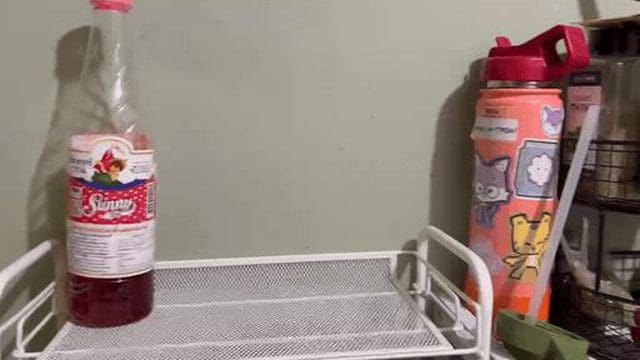
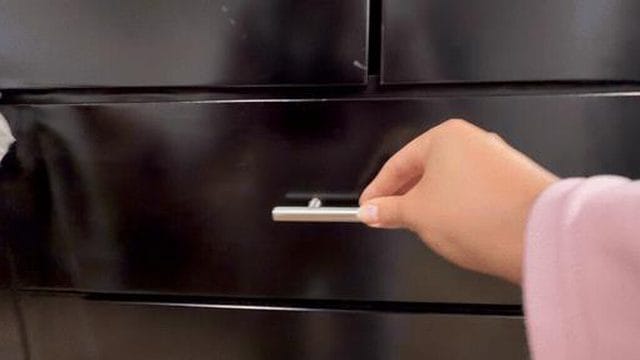

Egocentric & Real-World Video Capture
First-person video captured through body-worn cameras, AR/VR headsets, and wearable devices — the data VLA and world models use to learn how people actually manipulate objects, tools, and environments. Delivered as annotated egocentric video with action sequences, timestamps, and environment metadata.
- Egocentric capture in real homes, workplaces, labs, and industrial settings
- Human-object interaction and real-world task execution
- Action and task-completion sequences with environment metadata
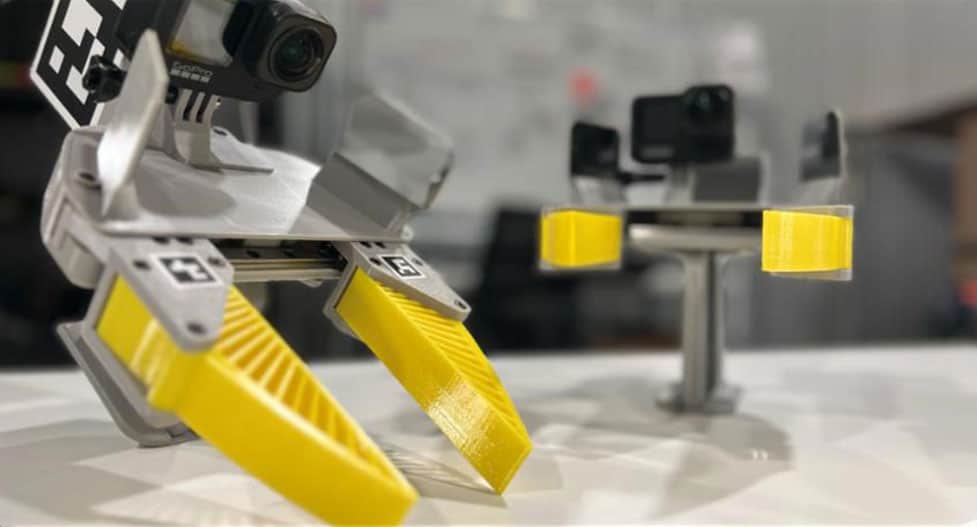
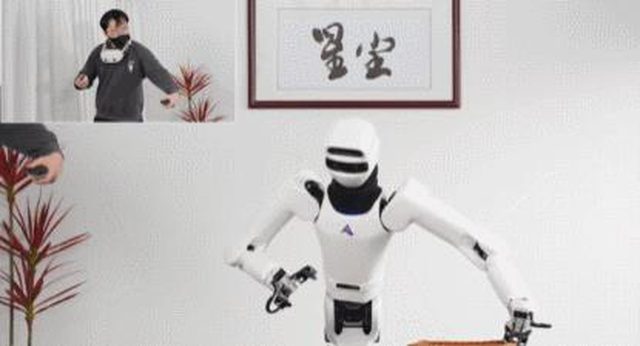
Robot Demonstrations & Interaction Data
Teacher-follower demonstrations, teleoperation logs, and hand-object interaction — captured with handheld grippers and operator rigs in real venues, giving models task trajectories they can learn from directly.
- Manipulation demonstrations and task trajectories
- Teleoperation logs with paired operator and robot viewpoints
- Hand-object interaction and task completion sequences
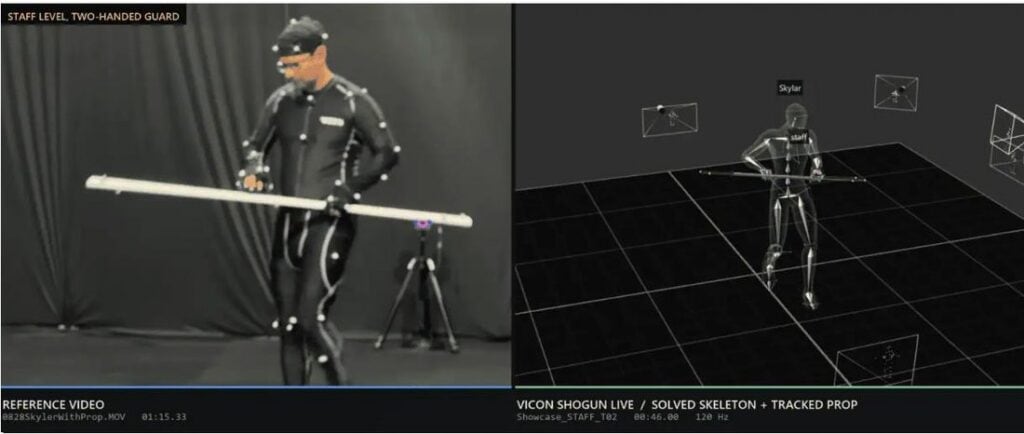
Motion Capture & Multimodal Sensor Data
Synchronized RGB, depth, IMU, IR, and LiDAR streams captured alongside optical motion capture — grounding retargeting, sensor fusion, and world-model training.
- Exocentric reference views paired with egocentric capture
- Kinematics and spatial data for retargeting
- Aerial, egocentric, and wearable sensor capture
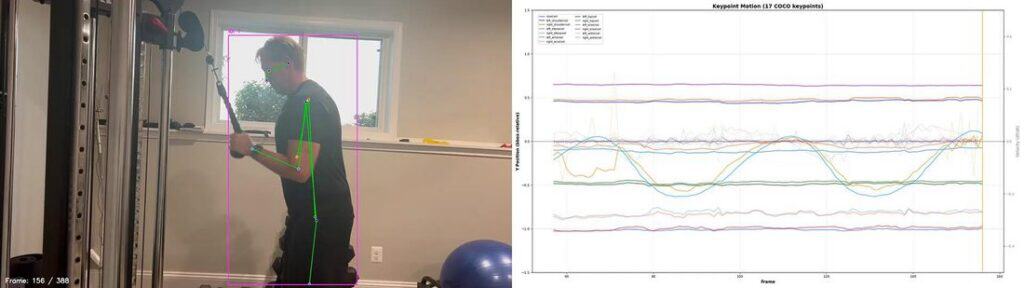
Annotation, Enrichment & Quality Validation
Captured video, sensor, and interaction data turned into model-ready training datasets — annotated, enriched, and validated before delivery.
- Task segmentation, keypoints, and bounding boxes
- Motion labels, object tracking, and metadata enrichment
- Multi-layer QA scoring and validation before delivery
From Homes to Factory Floors
From controlled labs to homes, workplaces, and industrial facilities, Innodata designs collection programs around the environments, tasks, and interactions your models need to learn.
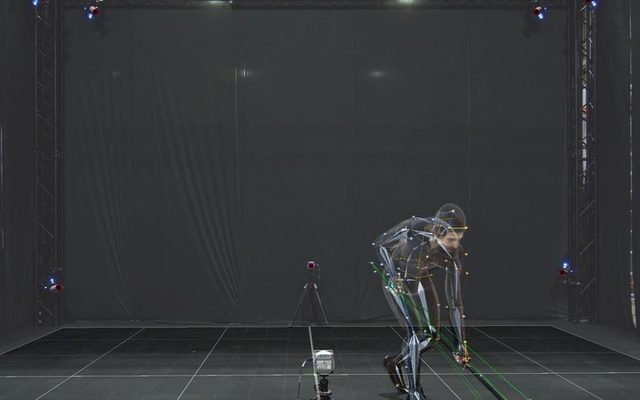
Controlled Labs
Calibrated capture and demonstrations

Homes & Residential Settings
Everyday tasks and human-object interactions
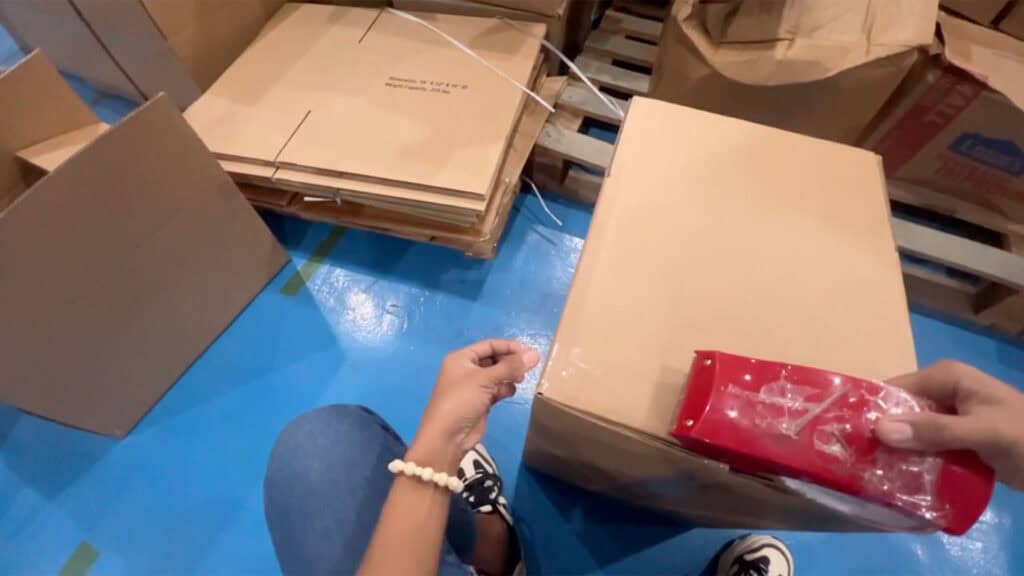
Commercial Workplaces
Real-world operational workflows
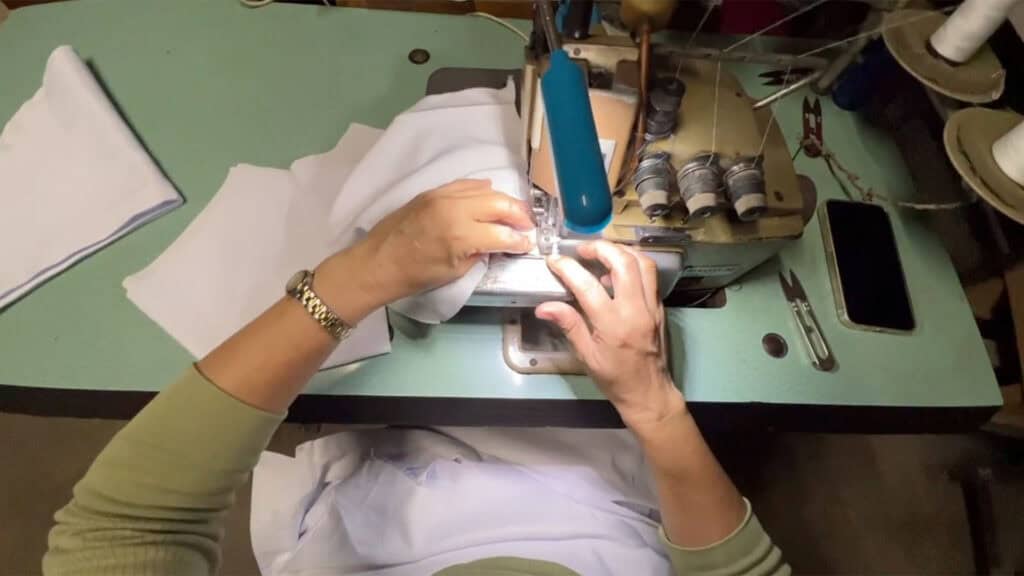
Industrial Environments
Equipment and manufacturing tasks
How We Collect and Prepare Your Data
Every engagement runs as a managed collection program — scoped around your model requirements and executed by trained contributor teams, from pilot through production-scale delivery.
Step 01
Define modalities, task requirements, collection environments, sensor needs, metadata, quality thresholds, and delivery formats.
Step 02
Recruit, vet, and train contributors, operators, and domain experts suited to each collection program.
Step 03
Manage capture across homes, workplaces, labs, and field settings with consistent protocols and contributor support.
Step 04
Transform raw capture into structured datasets with timestamps, motion labels, annotations, and metadata.
Step 05
Deliver secure, documented, model-ready datasets aligned with your training pipelines and requirements.
* All sensitive data types — including biometric, facial, and healthcare-adjacent data — are collected through consent-managed, privacy-compliant workflows with GDPR, HIPAA, and client-specific data governance requirements.
Quality Built Into Every Dataset
Capture is only the beginning — what makes the data dependable is everything built around it. Innodata supports leading AI teams across high-volume training data, evaluation, and QA workloads, with secure, model-ready delivery.
Structured Collection Protocols
Documented task protocols, calibrated equipment, and defined quality standards support consistent data collection.
Video & Sensor Synchronization
Time-aligned RGB, depth, IMU, and LiDAR streams support coherent multimodal training datasets.
Annotation & Metadata Validation
Labels, keypoints, timestamps, and metadata are checked against defined requirements before delivery.
Human Review & Multi-Layer QA
Expert human review and automated quality checks help identify errors and improve dataset consistency.
Applications We Support
Custom data collection for robotics, world models, and wearable AI.
Robotics & VLA Models
Real-world demonstrations and task trajectories for robot manipulation, navigation, and VLA training.
World Models & Multimodal AI
Video, motion, and sensor data to help models understand physical environments and interactions.
Wearables & Human Interaction
Egocentric video and wearable sensor data capturing real-world tasks and human-object interactions.
Get Started
Let’s Discuss Your Data Needs
Tell us what you’re building and the type of data you need. Our team will help you explore the right collection approach.
- Task segmentation, keypoints, and bounding boxes
- Motion labels, object tracking, and metadata enrichment
- Multi-layer QA scoring and validation before delivery
Looking for Ready-Made Datasets?
Explore Innodata’s off-the-shelf datasets for robotics, Physical AI, and related training applications.
FAQ
Frequently Asked Questions
What is Physical AI data collection?
Physical AI data collection is the process of gathering real-world interaction data used to train models that perceive and act in physical environments. This data can include egocentric video, sensor streams, teacher-follower demonstrations, teleoperation logs, human-object interaction sequences, task workflows, and environment metadata.
Can Innodata collect data for VLA models and world models?
Yes. Innodata collects and annotates Physical AI training data for vision-language-action models and world models — from egocentric video and multimodal sensor streams to demonstrations and teleoperation logs.
Can Innodata support custom Physical AI data collection?
Yes. Innodata designs custom collection programs based on modality, task taxonomy, contributor requirements, collection environment, metadata schema, quality thresholds, and delivery format.
What types of robotics training data can Innodata collect?
Innodata collects egocentric and exocentric video, wearable capture, IMU sensor data, depth and RGB data, human-object interaction data, task-completion sequences, teleoperation data, teacher-follower demonstrations, and environment metadata.
Does Innodata provide annotation and QA?
Yes. Innodata provides annotation, enrichment, and multi-layer QA — labels, transcripts, timestamps, metadata enrichment, and validation scoring — with secure, model-ready delivery. For motion-heavy data, Innodata also uses motion analytics and kinematic modeling to improve dataset consistency before training.
Should we use off-the-shelf datasets or custom data collection?
Off-the-shelf datasets are useful when your model needs broad coverage of common tasks or environments. Custom data collection is the better fit when your model requires specific devices, demographics, task taxonomies, edge cases, or proprietary formats.